
Back to Crete Travel Guide for Visitors & Expats | Beaches, Food & Essential Info | Redtel


Commissions are suspended at present until I get a new knee. But I will be back. You can view my Commissions page here.
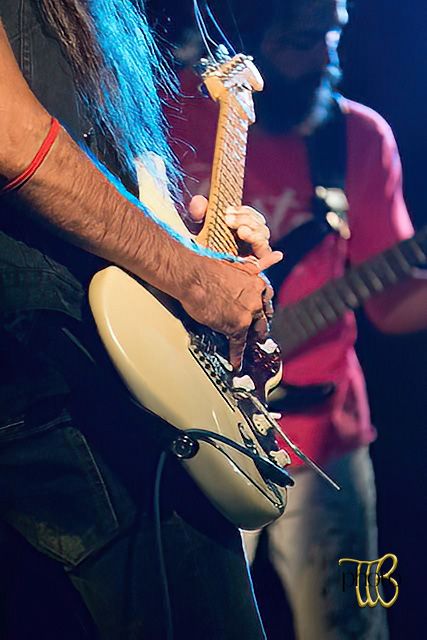
Lots of good music all over Crete.

FotoFeed
Greek Newspapers into English

Ekathemerini
ONE OF MY BOARDS FROM PINTEREST. GIVE US A FOLLOW.
New Lifestyle
There’s something about Crete that feels less like a destination and more like a decision.
Some people arrive for a week and leave with a tan. Others arrive with two suitcases and the quiet, radical idea that life could be different. This was us.
The First-Time Visitor: Falling for the Edges of the Map
________________________________
For many first-time visitors, Crete is an accident that becomes an obsession. They might land in Chania, wander the Venetian harbor at sunset, and realize that time moves differently here. Coffee stretches into conversation. Lunch becomes an afternoon. The sea is not background scenery — it’s a presence.
In the east, Agios Nikolaos feels intimate and luminous, while the capital, Heraklion, carries the island’s layered history — from the ancient palaces of the Minoan civilization to modern cafés filled with students and entrepreneurs.
Visitors come expecting beaches — and yes, there are beaches that seem almost mythic, like Balos Lagoon with its Caribbean-blue shallows, or the pink-tinged sands of Elafonissi Beach. But what often surprises them isn’t the beauty. It’s the rhythm.
Shops close in the afternoon. Neighbors talk across balconies. Grandmothers carry herbs from mountain gardens. The island runs on human time, not just clock time.
And for some visitors, that’s the moment the question forms: What if I didn’t have to leave?
The Expat: Choosing a Different Measure of Success
______________________________
The expats who move to Crete rarely do so on impulse. They arrive from London, Berlin, New York — places defined by speed, ambition, and measurable productivity. They come carrying burnout, curiosity, or a long-held dream of Mediterranean light.
They settle in villages in the White Mountains, or apartments near the sea in Rethymno. They learn, slowly, that bureaucracy is part of the landscape. That patience is not optional. That relationships matter more than efficiency.
And yet, many describe the same shift: life feels fuller, even if it’s simpler.
The cost of living can be lower than in major Western cities. Fresh produce comes from local growers. Winters are mild. There is space — physical and mental — to build a new rhythm. Remote workers find cafés with strong Wi-Fi and stronger espresso. Retirees find community among other internationals and locals alike. Entrepreneurs experiment with guesthouses, retreats, olive oil exports, or creative studios.
But the true adjustment isn’t logistical. It’s philosophical.
On Crete, success is not always loud. It’s measured in shared meals, long swims, mountain hikes, and conversations that last until the table is cleared of everything but raki and stories.
______________________________
Reinvention Under Mediterranean Light
Crete has always been a crossroads — a meeting point of continents, cultures, and centuries. That legacy lingers in its architecture, its music, its fiercely independent spirit.
For visitors, it offers intensity in small doses: dazzling landscapes, deep history, unforgettable hospitality.
For expats, it offers something more demanding: the chance to slow down enough to hear yourself think. To redefine what matters. To trade convenience for connection. To exchange urgency for presence.
Not everyone stays. Island life can be isolating. Winter can feel quiet. The romance of relocation sometimes fades into paperwork and plumbing repairs.
But for those who remain, the island becomes more than scenery. It becomes a teacher.
And whether you come for a week or a lifetime, Crete has a way of asking the same gentle, persistent question:
What would your life look like if you lived it closer to the sun?
Terry Bridge