Birds of Crete: Residents and Migratory Visitors to the Island
_______________________________________________________________________________________________________________________________________________________
The island of Crete is one of the most important bird habitats in the eastern Mediterranean. With its rugged mountains, coastal wetlands, deep gorges, and olive-covered plains, the island provides a remarkable diversity of ecosystems that support both resident and migratory birds. Because Crete lies along major migration routes between Europe, Africa, and the Middle East, it becomes a seasonal refuge for thousands of birds traveling between continents.
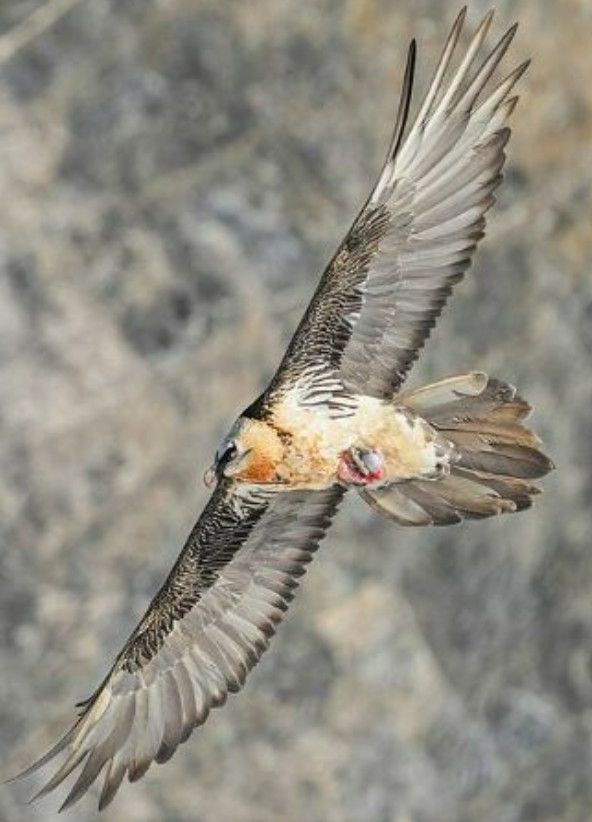 Among the most iconic birds of Crete is the Bearded Vulture, also known locally as the lammergeier. This rare and majestic raptor is one of the island’s most famous wildlife symbols. With a wingspan approaching three meters, the Bearded Vulture soars above the high peaks of the White Mountains and other rugged ranges. It feeds mainly on bones, dropping them from great heights to break them open. Crete is one of the last strongholds for this species in southern Europe, making its conservation especially important.
Another impressive bird of prey frequently seen above Cretan landscapes is the Golden Eagle. These powerful hunters inhabit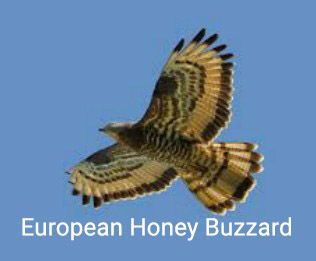
Large soaring migrants also pass over the island. The European Honey Buzzard, for example, travels from the UK on its way to Africa in impressive numbers during autumn migration. These birds specialize in feeding on wasp larvae and can often be seen gliding in groups, riding warm air currents as they move south toward Africa.
Smaller breeding birds of Crete.
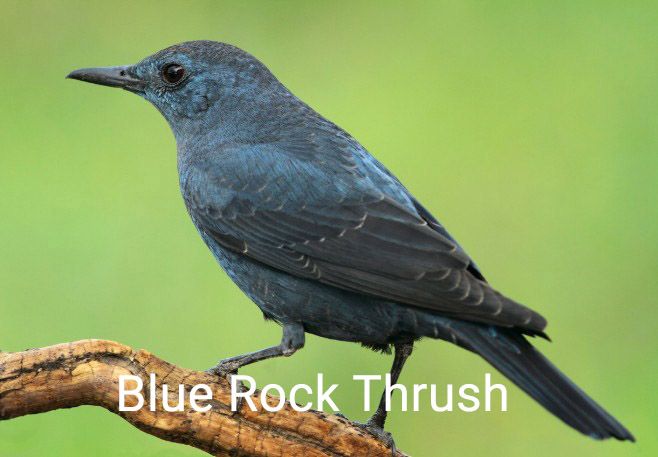 Crete’s cliffs and rocky slopes are also home for breeding to smaller but equally fascinating species such as the Blue Rock Thrush. The male flycatcher, with its deep blue plumage, is the National bird of Malta and is often seen perched on stone walls, ruins, and rocky outcrops, singing melodiously at dawn. Similarly, the Cretzschmar's Bunting, named from the German scientist Philipp Cretzschmar, inhabits dry hillsides and scrubland, where its distinctive song can be heard during spring. It has a grey head with an orange moustache and rusty orange colour underbelly.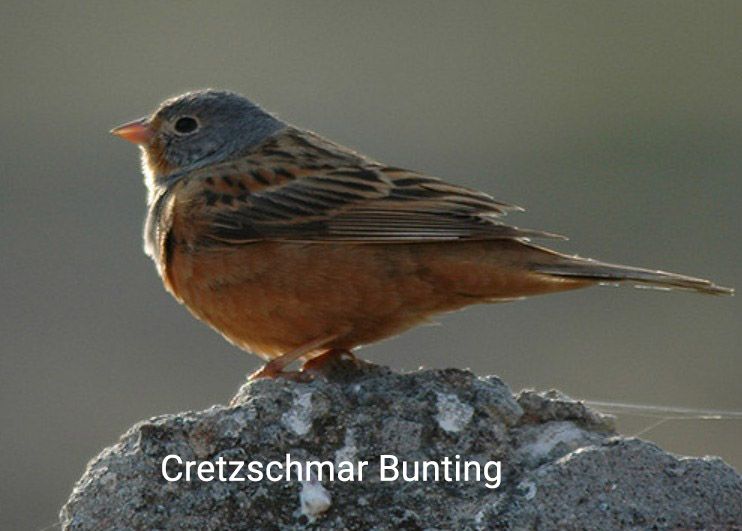
Wetlands and coastal lagoons, though relatively limited on the island, attract many waterbirds. The Greater Flamingo is one of the most spectacular visitors. During winter and migration periods, large flocks gather in shallow lagoons, their pink plumage reflecting in the water. Sites such as Elafonisi Lagoon occasionally host these elegant birds, along with herons, egrets, and various wading species.
Migration is one of the most remarkable aspects of Crete’s birdlife. Each spring and autumn, the island becomes a crossroads for birds traveling between Africa and Europe. Species such as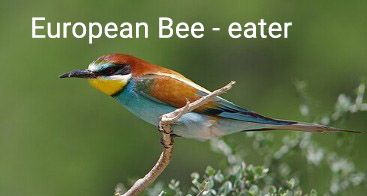
Another common migrant is the Barn Swallow, a graceful aerial insectivore known for its forked tail and agile flight. Swallows arrive in Crete in spring, filling the skies above villages and fields as they feed on insects. Many continue northward to breed in Europe, while others remain for the summer.
Many birds will breed in Europe but over winter in the tropics of Africa. One of the most striking is the Eurasian Hoopoe or Epops in Crete. You have to look on the ground for this fellow though as it spends most of its time probing through the soil for insects and larvae. The bird has a remarkable trick. It can open its beak when its in the ground due to very strong muscles in the head.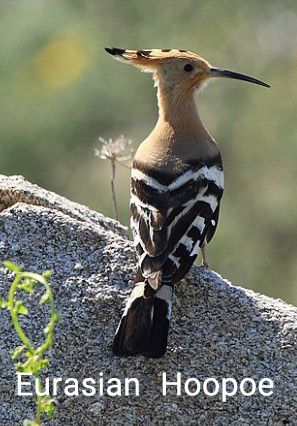
Crete’s varied habitats also support numerous seabirds. Along the coast, birdwatchers may encounter species such as the Yelkouan Shearwater, which nests on remote rocky islets and spends most of its life at sea. At dusk, these birds return from fishing trips, skimming low across the waves.
The importance of Crete for birds lies not only in its species diversity but also in its geographical position. Situated between three continents, the island acts as a stepping stone for migration and a sanctuary for rare species. Protected areas, national parks, and responsible ecotourism efforts are helping preserve these habitats for future generations.
For visitors and residents alike, the birds of Crete offer an extraordinary window into the natural richness of the Mediterranean. From soaring vultures above mountain peaks to colorful migrants passing overhead, the island’s skies remain alive with movement and song throughout the year. If anyone manages to see me in my wheelchair, please come across and tell me what you've seen.
I'll let you in to a secret. My favourite bird on the island is also one of the most common, the Sardinian Warbler. I love this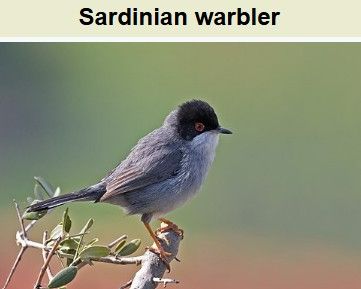
Thanks to Wikipedia for the information and the above photos.
And if that is not enough to wet your appetite, then maybe the birds below may help
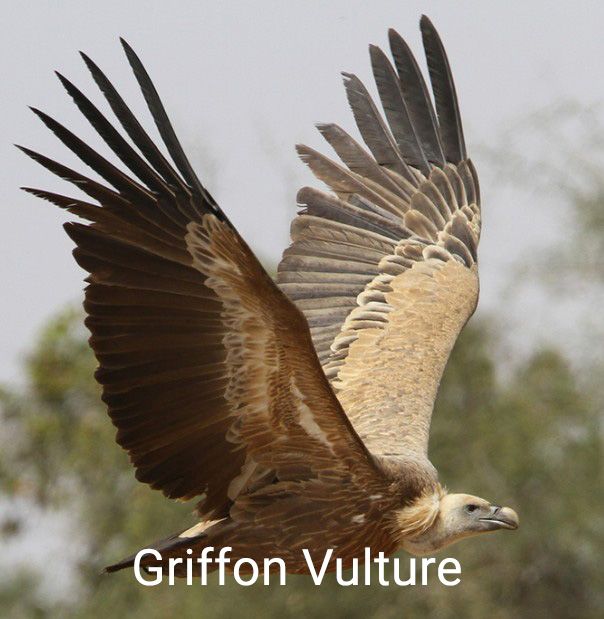 I've shown some of the raptors of Crete above but I suppose the two main birds that can identify to being raptors would be the Griffon Vulture and the Golden Eagle.
The Griffon Vulture is easily found on Crete as the island has the largest population in the World, over 1000 species. I've spotted a pair over the Imbros recently. This bird can fly at 36000 ft, its massive wingspan of approximately 2.5 metres needed to lift weights of up to 10 kgs.
Griffon Vultures are very social creatures and feed and breed in large groups but they tend to hunt alone. They feed almost exclusively on carrion. Strangely the bird only breeds on the rocky slopes of gorges and tends to spend most of its time in shrubland of the high slopes. Some birds may migrate to Africa but there isn't any mass migration as birds only do this singly.
They don't have many enemies but maybe the passage of time as most have been killed by accidental poisoning from change in farming methods.
The next shadow across the high level peaks of Crete would be the Eagle. The largest specimen on Crete being the world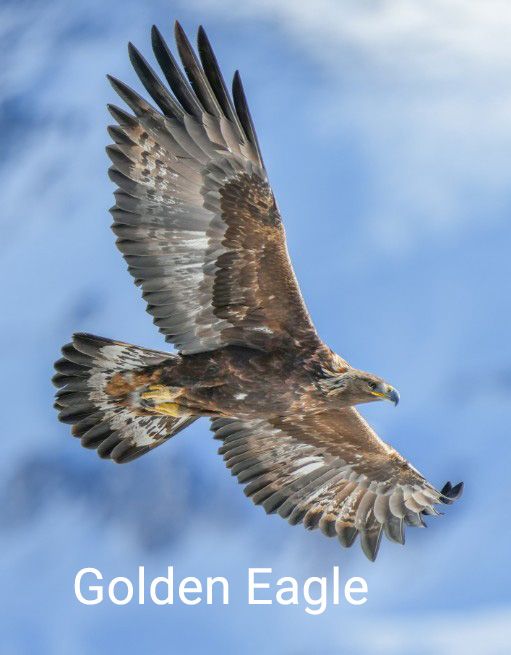 renowned Golden Eagle. Many people ask why is it called " Golden ". From below it is difficult to see the neck, back of the head and throat with the golden feathers. The underneath is uniformly dark and the legs are covered in feathers, one of the ways the bird is identified.
Unfortunately for this fantastic bird, one of its biggest killers is Crows of which the island has plenty. The crows get on the eagles back and peck away at the head. Considering the Golden Eagle is endangered and Crete being one of its last habitats, could we get a crow cull organised. You can tell I prefer eagles to crows. Other than crows the Eagles biggest threats are humans. Persecution, egg hunters, changing the habitat and poisoning to cull the predators of their livestock.
These birds mate for life and will nest high in inaccessible rocky shelves. They feed on hares, partridges and sometimes turtles. Yep, I found that one strange too.
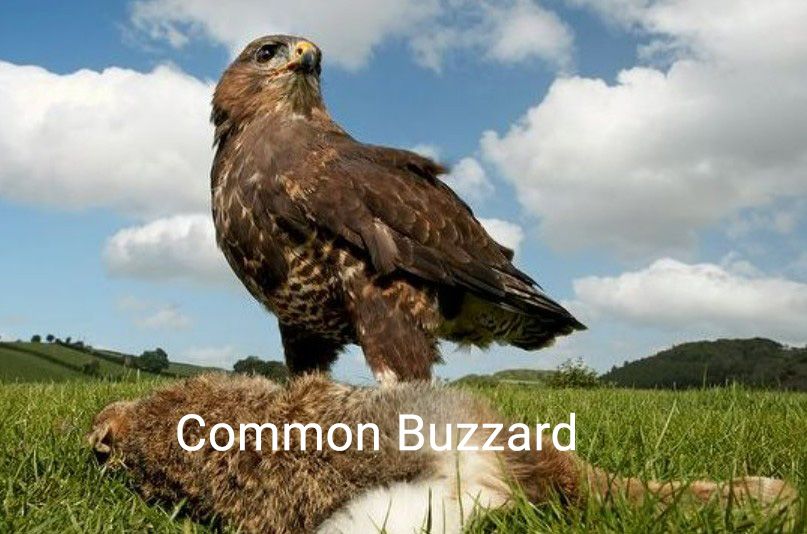 On one of those blue sky mornings that are abundant in Crete, look up, it probably won't be a Golden Eagle or Griffin Vulture that is hovering overhead but the Common Buzzard, looking down for small rodents, hares or small birds. There are many resident Common Buzzards and the number swells in the winter from the migrating birds. Probably the most frequently spotted raptor, sitting on power cable supports, high branches or perched on the top of poles looking for lizards, rodents anything small enough to carry off. Its a regular flyer around the Mesara basin above the patchwork of olive groves.
The birds nest in April with two or three chicks, the male and female working together to bring up their young. They may even nest in trees around the basin.
When I wrote tha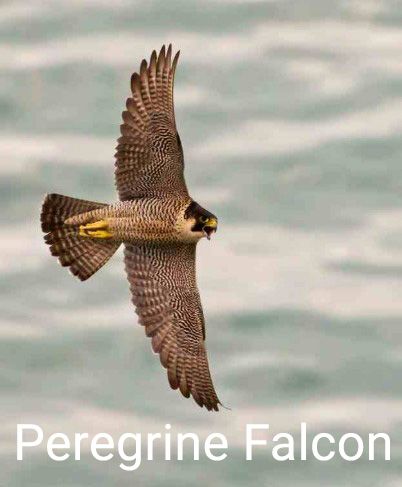 t the Sardinian Warbler was my favourite bird on the island, it wasn't quite true because the island plays host to my favourite bird of my lifetime. The Peregrine Falcon. The fastest animal on earth, when it drops from the sky onto some unsuspecting prey, small bird or mammal. The falcon can reach speeds of 400 klm per hour. I have to own up that it is the plumage that attracted me to this bird while living in a town in the UK where most things appeared drab. The Peregrine Falcon is an indicator of a healthy eco system, as it would easily fall victim to an overuse of pesticides.
They're fairly regularly spotted in the gorges and the Psiloritis mountain range where these resident birds mainly breed. On Crete the bird is called Petritis.
Kourouna a in Greek, is the notorious Hooded Crow. The only thing on the island that puts the wind beneath the Eagles wings They always seem to be in groups, challenging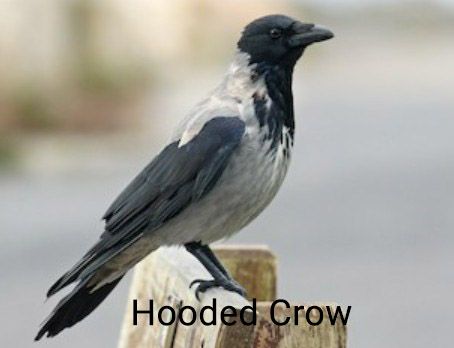 each other as they perform their aerobatics. Often one will leave the group then be chased away by the others. Said to be highly intelligent omnivores, often seen scrambling about on garbage sites, vying with the local feral cat population or fighting amongst themselves for the best bits of food. They can be quite scary as they can grow to 50 cms and never seem to be afraid of human activity.
When visiting Crete you will see many birds that are on their way to the UK. If the weather is good they all act like tourists and linger awhile. You will see all the tit varieties,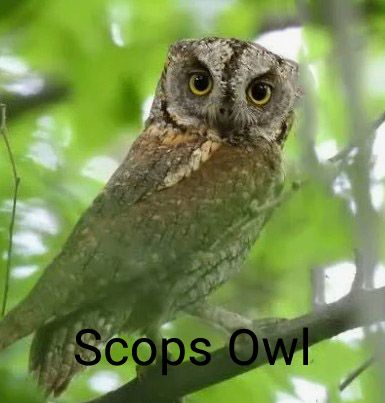 several warblers, finches, especially the predominant Goldfinch as they pick seeds from the sun dried thistles. By the river estuaries you will see coots , moorhens and little grebes. Coarse fishing is only allowed in estuaries as the loggerhead turtle nests on most river banks. If you are very keen you may see barn owls, tamny owls and my favourite, the Scops Owl.
They are brilliantly camouflaged against the bark of trees, so are difficult to see, but you cannot miss their distinctive sound when darkness comes. It usually winters in Africa but some are heard in Crete throughout the cold weather. It mainly feeds on insects and small invertebrates.
Terry Bridge